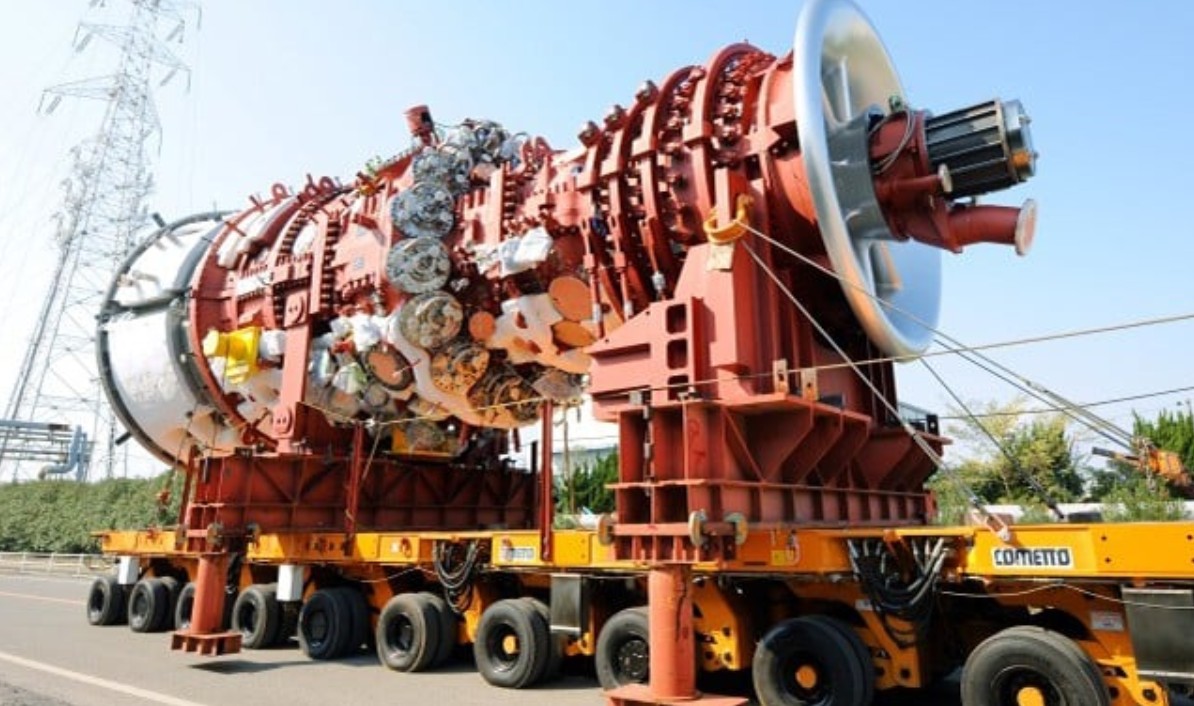
Utility-Scale Gas Turbines and Major Turbine Packages
Utility-Scale Gas Turbines and Major Turbine Packages Supply and Sourcing
Executive Overview
Utility-scale gas turbines are the backbone of modern thermal power generation. They convert natural gas or other fuels into mechanical energy that drives a generator to produce electricity at transmission voltage levels. In combined cycle configurations, waste heat is recovered to produce steam and increase overall plant efficiency.
These systems are used in utility generation stations, independent power producer plants, combined cycle facilities, industrial cogeneration sites, and fast-response peaking plants supporting grid stability and data center growth.
Supply timing matters because utility-scale gas turbines are long lead electrical assets. Frame machines and full combined cycle packages often carry extended manufacturing queues. Delays affect interconnection schedules, EPC milestones, financing triggers, and capacity commitments. When equipment lead times in the power industry extend beyond planned commissioning windows, projects face material revenue and compliance exposure.
Primary stakeholders include procurement teams managing capital budgets, engineers validating specifications, EPC contractors executing schedules, asset managers planning lifecycle replacements, and operations teams responsible for reliability and availability.
Services:
Industry Context and Real-World Constraints
Utility-scale gas turbine supply is highly concentrated among a limited number of OEM platforms. Manufacturing capacity is finite. Major grid expansion programs, data center buildouts, LNG development, and peaker plant additions are competing for the same production slots.
Frame gas turbines and combined cycle packages often represent the longest lead components in a generation project. Long lead electrical equipment constraints now routinely influence interconnection timelines. In urgent replacement scenarios, emergency generator procurement for utility-scale applications becomes complex due to fuel, emissions, and balance-of-plant integration requirements.
Real-world constraints include:
Limited production capacity for large frame units
Extended lead times for rotors and hot gas path components
Grid modernization programs accelerating demand
Environmental compliance and emissions control alignment
Interconnection and transmission upgrade dependencies
Secondary market availability that varies by model and condition
Secondary market dynamics are driven by plant retirements, technology upgrades, and asset redeployments. However, not all machines are viable candidates for relocation due to site configuration, emissions permitting, or remaining life on major components.
Technical Breakdown by Subcategory
Frame Gas Turbines
Frame gas turbines are heavy-duty machines designed for baseload and combined cycle operation. They operate at high firing temperatures and are engineered for long service intervals under steady load conditions.
Engineering considerations include firing temperature class, compressor design, emissions configuration, fuel flexibility, and integration with heat recovery steam generators. Specification alignment issues often arise around combustion system variants, control platform compatibility, and site-specific ambient conditions.
Procurement risks include long rotor manufacturing queues, limited hot gas path kit availability, and OEM allocation constraints. Operational failure risks center on combustion instability, blade degradation, and thermal stress in high-load regimes. Replacement challenges involve transport logistics, foundation alignment, and integration with existing generators and control systems.
Combined Cycle Packages
Combined cycle packages integrate a gas turbine, heat recovery steam generator, steam turbine, condenser, and associated balance of plant. They are designed for high efficiency and large-scale capacity.
Engineering alignment requires detailed thermal balance review, HRSG configuration matching, steam cycle integration, and cooling system capacity verification. Misalignment between gas turbine exhaust conditions and HRSG design can compromise efficiency and emissions compliance.
Procurement risk extends beyond the turbine to the full system. Delays in steam turbine components or HRSG modules can stall commissioning. Replacement projects are particularly complex due to footprint constraints and interconnection commitments.
Aeroderivative Turbines
Aeroderivative turbines are derived from aviation engine platforms. They are lighter, modular, and capable of rapid start and load response.
They are commonly used for peaking duty, grid stabilization, and fast-start backup generation. Engineering considerations include inlet air quality, acoustic treatment, fuel gas pressure control, and rapid cycling impacts on component life.
Procurement risk often relates to specific model availability and module configuration. Operational risks include accelerated wear under frequent starts and high maintenance demands compared to heavy-duty frames.
GTG Packages
Gas turbine generator packages integrate the turbine with a generator and skid-mounted auxiliary systems. These are often deployed as turnkey blocks.
Specification alignment requires voltage class verification, excitation system compatibility, and protection relay coordination. Procurement issues may arise from generator lead times, particularly for high-capacity units.
Replacement challenges include physical alignment, coupling precision, and integration with existing switchgear and transformer systems.
Peaker Turbine Packages
Peaker turbine packages are optimized for fast ramp and intermittent operation. They are deployed to meet peak demand and support grid reliability.
Engineering focus areas include rapid start systems, fuel flexibility, emissions controls, and control system integration with grid dispatch platforms.
Procurement risk is driven by urgent demand cycles and capacity auction deadlines. Operational risks include thermal fatigue and maintenance intervals tied to start cycles rather than hours of operation.
Major Components
Hot Gas Path Kits
Hot gas path kits include blades, vanes, and combustion components exposed to extreme temperatures. They are critical for maintaining output and efficiency.
Lead times for hot gas path kits can significantly affect outage scheduling. Specification alignment must match exact turbine model and firing class.
Rotors
Rotors are central rotating assemblies subjected to high mechanical and thermal stress. Rotor replacement is capital intensive and often long lead.
Procurement risk includes forging capacity constraints and transport logistics. Installation requires precise balancing and alignment.
Combustion Systems
Combustion systems determine emissions performance and stability. Alignment with regulatory limits and fuel composition is critical.
Mis-specification can lead to unstable combustion, increased maintenance, and compliance violations.
Inlet Filter Houses
Inlet filter houses protect the compressor from particulate contamination. Design must match local environmental conditions.
Improper filtration reduces compressor efficiency and accelerates blade wear.
Exhaust Systems
Exhaust systems manage high-temperature discharge and route gases to HRSG or stack. Thermal expansion, structural integrity, and acoustic control are key design factors.
Lube Oil Systems
Lube oil systems support bearings and rotating assemblies. Reliability depends on filtration quality, redundancy, and temperature control.
Failure in lubrication systems can result in catastrophic rotor damage.
Static Starters
Static starters enable controlled turbine startup without large mechanical starter systems. Electrical integration and harmonic considerations must be validated.
Turning Gear
Turning gear systems rotate the rotor during cooldown to prevent shaft bow. Improper operation can lead to long-term mechanical distortion.
System Integration and Dependencies
Utility-scale gas turbines interface with:
Step-up transformers and transmission interconnection equipment
Protection relays and plant control systems
Fuel gas conditioning and pressure regulation systems
Cooling systems including air and water-based configurations
Emissions monitoring and compliance infrastructure
Integration errors often occur at control system interfaces, protection coordination settings, and voltage alignment with grid requirements.
Environmental conditions such as altitude, ambient temperature, and particulate exposure directly influence performance and component life.
Lifecycle Perspective
Lifecycle planning begins with specification development and grid requirement alignment. During sourcing, procurement must evaluate turbine lead time, component allocation, and factory test schedules.
Factory acceptance testing, documentation review, and quality verification are critical before shipment. Delivery logistics for large frame turbines involve heavy haul coordination and site preparation.
Installation requires alignment, torque verification, control system commissioning, and integration testing. Commissioning delays often stem from protection system misconfiguration or incomplete documentation.
Maintenance planning includes scheduled inspections, hot gas path replacements, and rotor life management. Asset managers must monitor lifecycle cost, outage scheduling, and spare parts availability.
In certain cases, secondary market redeployment of utility-scale gas turbines is viable when remaining life, emissions compliance, and transport feasibility align.
Procurement Strategy and Risk Mitigation
Effective procurement strategy for utility-scale gas turbines includes:
Early lead time forecasting aligned with interconnection milestones
Detailed specification validation to prevent change orders
Verification of control platform compatibility
Review of factory testing documentation
Evaluation of alternate sourcing and secondary market options
Risk allocation for transport and installation
EPC electrical procurement teams must coordinate turbine supply with transformer lead time and switchgear supply shortage conditions to avoid cascading delays.
Operational Risks and Failure Modes
Common issues include:
Incorrect emissions configuration for local regulations
Inadequate inlet filtration in high-dust environments
Misaligned protection settings causing nuisance trips
Deferred hot gas path maintenance leading to forced outages
Inadequate lubrication monitoring
Integration mismatches between turbine controls and plant SCADA
Aging infrastructure increases the risk of rotor fatigue, combustion instability, and auxiliary system failure.
Who This Page Is For
This page is intended for:
Utilities planning baseload and peaker capacity
Transmission operators managing grid stability
Independent power producers evaluating combined cycle investments
Data center developers requiring reliable generation support
Industrial facilities deploying cogeneration
EPC contractors executing power generation projects
Procurement teams managing long lead equipment
Asset managers planning lifecycle replacement
Professional Discussion
Utility-scale gas turbines and major turbine packages require disciplined specification, careful sourcing, and lifecycle planning.
Jaylan Solutions
www.jaylansolutions.com
serves as a supply partner, specification-aligned sourcing advisor, secondary market strategist, and long-lead mitigation resource for utility-scale gas turbine procurement and redeployment planning.
Keywords:
Utility scale gas turbine
Frame gas turbine
Combined cycle gas turbine
Aeroderivative gas turbine
Gas turbine generator package
GTG package
Peaker gas turbine
Gas turbine hot gas path kit
Gas turbine rotor replacement
Gas turbine combustion system
Gas turbine inlet filter house
Gas turbine exhaust system
Gas turbine lube oil system
Gas turbine static starter
Gas turbine turning gear
Gas turbine lead time
Combined cycle plant equipment
Power plant turbine supply
Emergency power plant generator procurement
Long lead electrical equipment power industry
