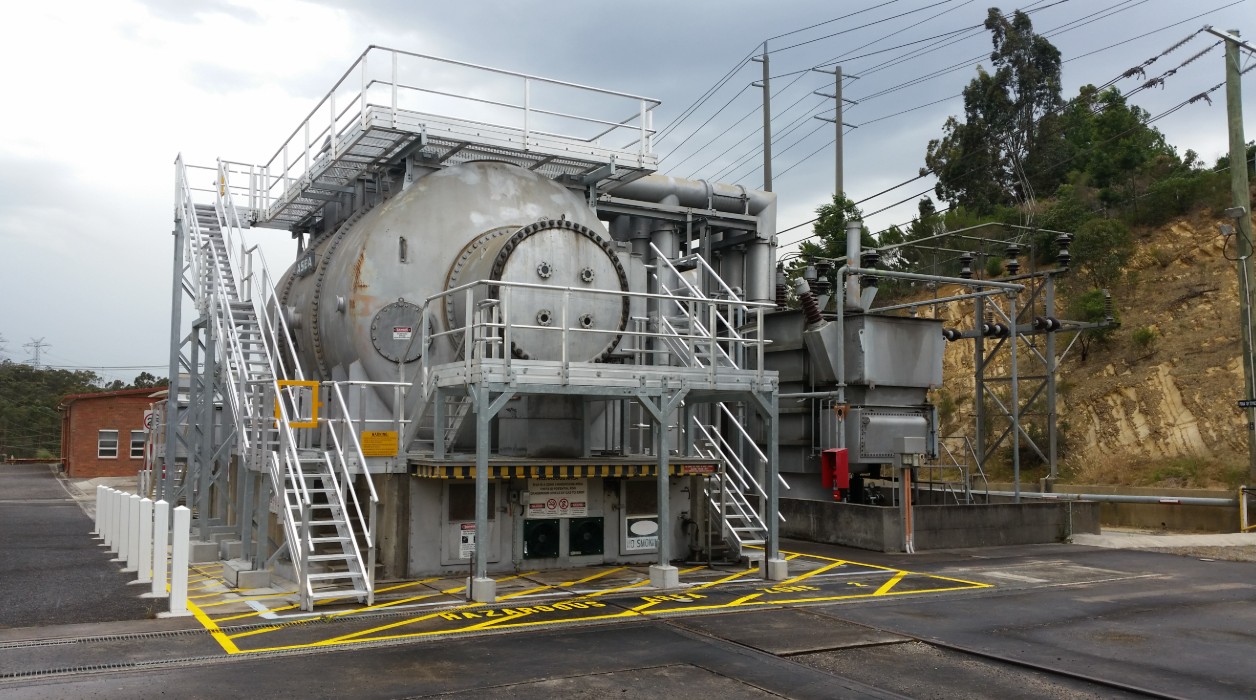
Synchronous Condenser Systems
Synchronous Condenser Systems Supply and Sourcing for Grid Stability, Renewable Integration, and Transmission Reinforcement
Executive Overview
Synchronous condenser systems are rotating machines installed on power systems to provide dynamic reactive power, voltage control, and short circuit strength. They operate similarly to synchronous generators but without a prime mover. Instead of producing real power, they stabilize the grid by supplying or absorbing reactive power in real time.
They are deployed in:
• Transmission substations
• Renewable interconnection points
• HVDC terminals
• Weak grid reinforcement projects
• Coal plant retirement replacements
• Data center interconnection substations
As more inverter-based resources come online, grid operators are experiencing reduced system inertia and lower short circuit ratios. This increases voltage instability risk and fault ride-through challenges. Synchronous condenser systems are being specified to restore system strength and meet interconnection requirements.
Supply timing matters. These systems involve custom rotating equipment, auxiliary systems, and protection integration. Lead times for major rotating equipment and excitation packages can extend beyond standard electrical equipment lead times power industry norms. Projects tied to renewable COD milestones or transmission upgrades cannot tolerate procurement misalignment.
Primary audience includes procurement teams, system planners, EPC contractors, substation engineers, operations leaders, and asset managers responsible for long-term grid reliability.
Services:
Industry Context and Real-World Constraints
Grid modernization programs and renewable integration mandates have accelerated demand for synchronous condenser installations. Regions retiring thermal generation are experiencing declining short circuit levels. Interconnection studies increasingly require system strength remediation before renewable projects are approved.
Current constraints include:
• Long manufacturing cycles for large rotating machines
• Specialized excitation systems with limited suppliers
• Custom foundation and inertia block requirements
• Integration with existing protection and SCADA systems
• Commissioning windows tied to interconnection deadlines
Unlike static VAR compensators, synchronous condensers require mechanical installation, alignment, lubrication systems, and cooling infrastructure. Delays in auxiliary system delivery can hold up energization even when the main machine is on site.
Secondary market availability is limited. Redeployment from decommissioned plants requires mechanical inspection, rewinding evaluation, and modernization of protection and controls. This can reduce lead time but increases engineering review complexity.
Urgency signals commonly seen in this category include:
• Renewable project COD pressure
• Transmission reinforcement tied to NERC compliance
• Grid instability events driving emergency reactive power procurement
• Coal unit retirements removing rotating inertia
Technical Breakdown by Subcategory
Condensers
What they are
The core rotating synchronous machine connected directly to the transmission system through a step-up transformer. Operates without a prime mover and adjusts field excitation to control reactive power output.
Where used
Installed at transmission voltage levels to provide dynamic voltage support and increase fault current contribution.
Engineering considerations
• MVA rating and reactive capability curve
• Short circuit contribution requirements
• Inertia constant
• Rotor design and damper windings
• Shaft grounding and bearing insulation
• Harmonic interaction with inverter-based resources
Specification alignment issues
Mismatch between required dynamic response and machine capability can lead to underperformance during voltage dips. Incorrect fault level assumptions may result in noncompliance with grid codes.
Procurement risks
Long fabrication times for stator cores and rotor forgings. Limited manufacturers with proven transmission-level experience.
Operational failure risks
Bearing failures, rotor winding degradation, hydrogen seal issues in larger units, vibration from misalignment.
Replacement challenges
Foundation reuse may not match new machine footprint. Upgrading an older condenser to meet modern protection and telemetry requirements requires significant retrofit engineering.
Starting Systems
What they are
Systems used to bring the synchronous condenser up to synchronous speed before connection to the grid. Common approaches include pony motors, static frequency converters, or variable frequency drives.
Where used
Installed as part of the condenser auxiliary package within the same substation yard or building.
Engineering considerations
• Starting torque requirements
• Grid impact during startup
• Harmonic distortion from static starters
• Mechanical coupling alignment
• Redundancy requirements
Specification alignment issues
Improper sizing of starting equipment can cause excessive startup time or mechanical stress.
Procurement risks
Specialized static frequency converters have long lead times similar to medium voltage drive systems. Coordination between mechanical and electrical vendors is critical.
Operational failure risks
Starter control failures preventing synchronization. Excessive mechanical wear during frequent starts.
Replacement challenges
Retrofit into existing control schemes may require full protection relay reprogramming.
Excitation Systems
What they are
Digital excitation systems that regulate field current and reactive output. Include automatic voltage regulators and protective limiters.
Where used
Mounted in control panels connected to the rotor field winding via slip rings or brushless assemblies.
Engineering considerations
• Response time requirements
• Voltage regulator tuning
• Integration with grid operator control schemes
• Redundancy and fail-safe modes
• Cybersecurity compliance
Specification alignment issues
Failure to match excitation response to grid study models can result in unstable voltage oscillations.
Procurement risks
Excitation vendors may have supply chain delays similar to protection relay supply shortages. Firmware validation and factory testing are critical.
Operational failure risks
Loss of field leading to tripping. Improper limiter settings reducing reactive capability.
Replacement challenges
Legacy analog systems often require full digital retrofit, including new wiring and testing.
Cooling Systems
What they are
Systems that remove heat from stator windings, rotor windings, and bearings. May include air cooling, hydrogen cooling, or closed loop water systems.
Where used
Integrated with the condenser housing and auxiliary skids.
Engineering considerations
• Ambient temperature range
• Cooling redundancy
• Hydrogen seal integrity if applicable
• Heat exchanger capacity
• Water quality management
Specification alignment issues
Undersized cooling systems reduce reactive output capability during high ambient conditions.
Procurement risks
Custom heat exchangers and large cooling fans can experience manufacturing delays.
Operational failure risks
Overheating leading to winding insulation degradation. Seal failures in hydrogen cooled machines.
Replacement challenges
Retrofitting cooling systems often requires outage windows that align with transmission constraints.
Protection Systems
What they are
Protection relays and schemes designed specifically for synchronous machine protection and grid compliance.
Where used
Installed in relay panels connected to the condenser, step-up transformer, and auxiliary systems.
Engineering considerations
• Differential protection
• Loss of field detection
• Out of step protection
• Overexcitation protection
• Negative sequence protection
• Integration with substation automation systems
Specification alignment issues
Improper coordination with transformer protection or grid protection schemes can lead to nuisance trips.
Procurement risks
Protection relay supply constraints similar to switchgear supply shortage conditions can delay energization.
Operational failure risks
Miscoordination during grid disturbances causing unnecessary outages.
Replacement challenges
Upgrading protection often requires full re-commissioning and coordination studies.
System Integration and Dependencies
Synchronous condenser systems interact with:
• Transmission transformers
• Protection relays and breaker systems
• SCADA and grid operator telemetry
• Cooling infrastructure
• Grounding systems
• Substation bus configurations
Reactive output must coordinate with capacitor banks, reactors, and STATCOM systems. Poor integration can create voltage oscillations or control conflicts.
Environmental exposure includes high fault current stresses, seismic requirements, and extreme temperature operation. Compliance requirements include NERC standards and regional grid codes.
Lifecycle Perspective
Specification
Interconnection studies define required MVAR range, short circuit contribution, and inertia targets.
Sourcing
Qualified manufacturers must meet transmission voltage class requirements and grid operator approvals.
Procurement
Contracts must address long lead electrical equipment timelines, factory acceptance testing, and performance guarantees.
Lead times
Rotating machine fabrication can exceed standard transformer lead time benchmarks depending on size and customization.
Documentation
Includes design drawings, excitation settings, protection coordination studies, and thermal performance data.
Factory testing
High potential testing, vibration analysis, balance testing, excitation response validation.
Delivery logistics
Large rotor shipments require specialized transport planning.
Installation
Foundation curing, shaft alignment, electrical terminations, auxiliary integration.
Commissioning
Grid synchronization tests, voltage response validation, protection verification.
Maintenance
Periodic vibration monitoring, bearing inspections, insulation testing.
Replacement
Modernization may involve stator rewinds, digital excitation upgrades, and protection retrofits.
Secondary market redeployment
Feasible in select cases but requires detailed mechanical and insulation condition assessment.
Procurement Strategy and Risk Mitigation
• Begin specification validation early in interconnection study phase
• Align excitation and protection vendors with EPC electrical design
• Confirm foundation and seismic requirements before fabrication
• Secure factory test slots in contract
• Evaluate alternate sourcing for auxiliary systems
• Consider redeployment only with full engineering review
Grid strength projects tied to renewable deadlines cannot rely on late-stage sourcing adjustments. Documentation accuracy and interoperability validation are critical to avoid commissioning delays.
Operational Risks and Failure Modes
• Incorrect inertia modeling leading to inadequate grid support
• Improper excitation tuning causing voltage oscillation
• Cooling system undersizing
• Bearing lubrication failures
• Protection miscoordination
• Commissioning delays due to incomplete control integration
• Aging insulation systems in redeployed units
Avoiding these failures requires alignment between planning studies, detailed engineering, and procurement execution.
Who This Page Is For
Utilities
Transmission operators
Independent power producers
Data center developers
Industrial facilities
EPC contractors
Procurement teams
Asset managers
If you are responsible for grid stability, renewable integration, or transmission reinforcement planning, this category directly affects system reliability and interconnection success.
Professional Call to Action
For specification-aligned sourcing, long lead mitigation, secondary market evaluation, and coordinated procurement support, engage Jaylan Solutions.
Jaylan Solutions
www.jaylansolutions.com
Jaylan serves as a supply partner, specification-aligned sourcing advisor, secondary market strategist, and long-lead mitigation resource for transmission-level infrastructure projects.
Keywords:
synchronous condenser systems
synchronous condenser
grid stability equipment
reactive power support equipment
transmission voltage control
grid inertia solutions
short circuit strength equipment
renewable interconnection support
synchronous condenser supplier
synchronous condenser manufacturers
synchronous condenser lead time
reactive power compensation systems
utility scale reactive power
condenser excitation system
synchronous condenser starting system
synchronous condenser protection scheme
grid strength remediation equipment
transmission reinforcement equipment
power system inertia solutions
synchronous condenser retrofit
