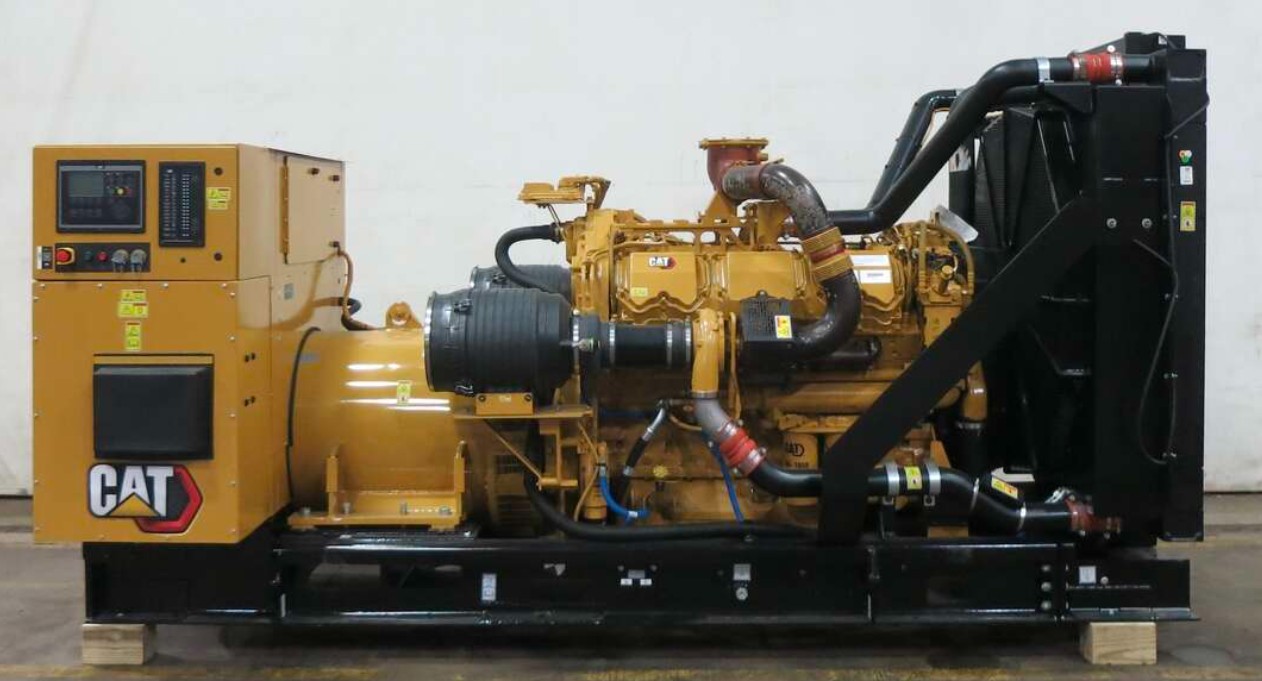
Power Generation Systems — Gas and Diesel Generators (MV and HV)
Power Generation Systems — Gas and Diesel Generators (MV and HV)
Executive Overview
Gas and diesel generator systems in the medium-voltage and high-voltage range form the backbone of standby, peaking, and distributed generation across utilities, industrial facilities, data centers, and critical infrastructure.
These systems convert mechanical energy into electrical power through engine-driven alternators, delivering power at distribution or sub-transmission voltage levels. They are used for prime power, standby support, grid stabilization, peak shaving, blackstart capability, and combined heat and power applications.
Operationally, they matter because they directly impact uptime, grid reliability, and revenue continuity. For utilities and independent power producers, they provide dispatchable capacity. For data centers and hospitals, they protect against outage-related losses. For industrial operators, they prevent process interruption.
Supply timing matters because generator packages in the MV and HV class are long lead electrical equipment. Engine availability, alternator manufacturing capacity, and controls integration can extend delivery timelines. Emergency generator procurement during grid stress events or disaster recovery scenarios often faces market-wide supply compression.
Primary audience segments include procurement teams managing equipment lead times in the power industry, engineers validating specifications, EPC contractors executing new build programs, asset managers planning lifecycle replacement, and operations teams responsible for commissioning and uptime.
Services:
Industry Context and Real-World Constraints
Supply Chain Constraints
Gas engine generators and large diesel units rely on global engine manufacturing, copper-intensive alternators, and digital control systems. During periods of grid expansion, data center buildouts, and industrial reshoring, demand for medium-voltage generators increases sharply.
Common constraints include:
• Engine block production capacity
• Alternator copper and core steel availability
• MV switchgear supply shortage affecting integration timelines
• Control system semiconductor supply volatility
• Emissions compliance equipment backlogs
Generator lead time is frequently driven by engine allocation and factory testing slots rather than mechanical assembly alone.
Lead Time Realities
Typical lead times for MV and HV generator systems can extend from several months to over a year depending on:
• Voltage class
• Emissions tier requirements
• CHP integration scope
• Custom enclosure or containerization
• Paralleling and protection complexity
Emergency generator procurement often shifts buyers toward available inventory, redeployed assets, or partially completed projects in the secondary market.
Grid Modernization and Data Center Demand
Transmission upgrades, interconnection delays, and grid congestion have increased interest in onsite generation. Data center developers frequently procure gas engine generators to supplement or replace diesel-only backup strategies, especially where natural gas infrastructure is robust.
Grid interconnection complexity and environmental permitting timelines often exceed generator manufacturing timelines. This creates scheduling mismatches that must be managed early in project planning.
Secondary Market Dynamics
The secondary market includes surplus peaker units, decommissioned CHP systems, industrial backup generators, and containerized packages from canceled projects. Proper evaluation requires:
• Verified operating hours
• Maintenance documentation
• Load history
• Emissions configuration review
• Control system compatibility assessment
Secondary sourcing can significantly reduce equipment lead times power industry wide, but only if engineering validation is performed correctly.
Technical Breakdown by Subcategory
Natural Gas Systems
Gas Engine Generators
Gas engine generators use reciprocating internal combustion engines fueled by natural gas to drive MV or HV alternators.
Used in:
• Utility peaking plants
• Industrial facilities
• Data centers
• Distributed generation sites
Engineering considerations:
• Voltage class and insulation coordination
• Harmonic distortion under nonlinear loads
• Emissions compliance requirements
• Gas pressure and fuel quality consistency
• Synchronization and paralleling controls
Procurement risks:
• Engine allocation constraints
• Emissions certification misalignment
• Control platform incompatibility with existing systems
Operational failure risks:
• Ignition system degradation
• Fuel supply interruption
• Inadequate cooling system design
Replacement challenges:
• Foundation footprint constraints
• Legacy control migration
• Transformer and switchgear interface updates
CHP Systems
Combined heat and power systems capture waste heat from gas engines to provide thermal energy alongside electrical generation.
Used in:
• Industrial process facilities
• Hospitals
• Universities
• District energy networks
Engineering considerations:
• Thermal load matching
• Heat exchanger sizing
• Exhaust heat recovery integration
• Seasonal load variation
Specification alignment issues:
• Incorrect heat recovery assumptions
• Oversized electrical generation relative to thermal demand
Procurement risks:
• Incomplete integration scope definition
• Boiler and heat loop compatibility issues
Operational risks:
• Imbalanced electrical and thermal load leading to inefficiency
Replacement complexity:
• Integration into existing thermal networks
• Structural and piping constraints
Peaker Units
Peaker units provide dispatchable capacity during high-demand periods.
Used in:
• Utility grid support
• Capacity market participation
• Rapid response grid balancing
Engineering considerations:
• Fast start capability
• Blackstart integration
• MV and HV protection coordination
• Environmental permitting
Procurement risks:
• Grid code compliance errors
• Inadequate protection scheme documentation
Operational risks:
• Infrequent operation leading to maintenance gaps
• Fuel supply constraints during peak events
Replacement challenges:
• Interconnection reapproval
• Emissions upgrades
Diesel Systems
Backup Generators
Diesel backup generators provide standby power for critical facilities.
Used in:
• Data centers
• Hospitals
• Industrial plants
• Water treatment facilities
Engineering considerations:
• Load acceptance performance
• Voltage dip under step load
• Fuel storage compliance
• Exhaust aftertreatment
Procurement risks:
• Misalignment with local emissions codes
• Inadequate runtime specification
Operational risks:
• Fuel degradation
• Wet stacking due to low load operation
Replacement challenges:
• Space constraints
• Noise compliance upgrades
Blackstart Generators
Blackstart generators restore power to grid segments without external supply.
Used in:
• Utility substations
• Power plants
• Transmission restoration programs
Engineering considerations:
• Autonomous start capability
• Control independence
• Battery and starting system reliability
Procurement risks:
• Under-specification of starting torque
• Protection miscoordination
Operational risks:
• Failure to start under cold conditions
• Infrequent testing
Replacement complexity:
• Integration with existing SCADA and protection systems
Containerized Systems
Containerized generator systems are factory-integrated packages.
Used in:
• Rapid deployment sites
• Temporary power
• Data center expansion phases
Engineering considerations:
• Thermal management inside enclosure
• Ventilation airflow
• Sound attenuation
• Transport constraints
Procurement risks:
• Inadequate site preparation
• Mismatch between container rating and site conditions
Operational risks:
• Restricted maintenance access
• Cooling airflow obstruction
Replacement challenges:
• Foundation alignment
• Cable routing redesign
Core Components
Alternators
Alternators convert mechanical energy into electrical output at MV or HV levels.
Engineering considerations:
• Insulation class
• Short circuit ratio
• Excitation system compatibility
• Bearing configuration
Failure risks:
• Insulation breakdown
• Overheating due to harmonic loading
Controls
Control systems manage start, synchronization, load sharing, and protection.
Engineering considerations:
• Redundancy
• Cybersecurity
• SCADA integration
• Load sequencing logic
Procurement risks:
• Incompatible firmware versions
• Limited spare parts availability
Excitation Systems
Excitation systems regulate voltage output.
Engineering considerations:
• Static vs brushless systems
• Response time
• Voltage regulation stability
Operational risks:
• Voltage instability
• Poor reactive power control
Fuel Systems
Fuel systems include gas trains, diesel storage, filtration, and transfer systems.
Engineering considerations:
• Fuel quality
• Redundancy
• Leak detection
• Compliance with environmental regulations
Failure risks:
• Contamination
• Pressure instability
System Integration and Dependencies
Gas and diesel generators do not operate in isolation. They interface with:
• Medium-voltage switchgear
• Protection relays
• Step-up transformers
• Control and SCADA systems
• Cooling systems
• Fuel infrastructure
• Emissions systems
Integration errors often occur in protection coordination and control communication. Generator transient response must align with upstream transformer impedance and downstream load characteristics.
Environmental conditions such as altitude, ambient temperature, and seismic requirements significantly influence generator rating and cooling design.
Lifecycle Perspective
Specification
Correct kW and kVA sizing must reflect real load profiles, future expansion, and starting currents.
Sourcing
Generator sourcing requires alignment between engine OEM, alternator manufacturer, and control integrator. Documentation should include:
• Factory acceptance test reports
• Insulation test records
• Emissions certification
• As-built drawings
Procurement
Procurement must account for generator lead time, switchgear supply shortage impacts, and long lead electrical equipment constraints.
Delivery and Logistics
Transport of MV and HV generators involves weight limits, permitting, and lifting planning.
Installation and Commissioning
Installation includes:
• Foundation alignment
• Cable termination
• Grounding verification
• Protection relay testing
• Synchronization testing
Commissioning delays often stem from incomplete protection coordination or communication integration.
Maintenance
Routine maintenance includes:
• Oil analysis
• Fuel system inspection
• Load bank testing
• Insulation resistance testing
Replacement and Redeployment
Secondary market redeployment can reduce downtime. Evaluation must confirm:
• Remaining useful life
• Control compatibility
• Compliance with current codes
Procurement Strategy and Risk Mitigation
Effective generator procurement in the power industry requires:
• Early lead time forecasting
• Specification cross-checking with protection and transformer systems
• Emissions compliance review
• Alternate sourcing identification
• Secondary market screening
Risk reduction strategies include:
• Factory testing witness participation
• Documentation audits
• Spare parts planning
• Modular deployment planning
EPC electrical procurement must align generator selection with interconnection approvals and downstream distribution capacity.
Operational Risks and Failure Modes
Common issues include:
• Undersized generators for dynamic loads
• Incorrect voltage regulation settings
• Inadequate ventilation
• Poor fuel quality control
• Protection relay misconfiguration
• Delayed commissioning due to integration mismatch
Aging infrastructure increases risk of insulation failure, control obsolescence, and emissions noncompliance.
Who This Page Is For
This page supports:
• Utilities managing peaking and blackstart assets
• Transmission operators coordinating restoration programs
• Independent power producers adding dispatchable capacity
• Data center developers securing standby resilience
• Industrial facilities protecting process continuity
• EPC contractors executing generation projects
• Procurement teams managing generator lead time
• Asset managers planning lifecycle replacement
Professional Call to Action
Jaylan Solutions supports specification-aligned sourcing, long-lead mitigation planning, and secondary market evaluation for medium-voltage and high-voltage gas and diesel generator systems.
For procurement strategy, specification review, or supply timing assessment, engage directly with Jaylan Solutions at:
Jaylan Solutions serves as a supply partner, sourcing advisor, secondary market strategist, and long-lead mitigation resource for power generation infrastructure programs.
Keywords:
• gas engine generator
• medium voltage generator
• high voltage generator
• diesel backup generator
• blackstart generator system
• CHP generator system
• containerized generator system
• peaker generator unit
• generator lead time
• emergency generator procurement
• industrial gas generator
• utility peaking generator
• data center standby generator
• MV diesel generator
• HV generator system
• generator package supply
• equipment lead times power industry
• long lead electrical equipment
• alternator for generator
• generator excitation system
• generator control system
• generator fuel system
• combined heat and power generator
• distributed generation system
• standby power generation system
