MV / HV Cable and Accessories
MV / HV Cable and Accessories Supply and Sourcing for Transmission Expansion, Substation Upgrades, Data Center Interconnections, and Urgent Replacement Programs
Executive Overview
Medium voltage and high voltage cable systems are the backbone of modern power infrastructure. They move power between substations, generation assets, industrial facilities, and large commercial loads. They also connect transformers, switchgear lineups, GIS yards, and data center substations where overhead construction is not practical.
MV cable typically serves distribution class systems. HV cable supports subtransmission and transmission interconnections. EHV cable is used where underground transmission or high capacity export circuits are required.
These systems are installed in:
Utility substations
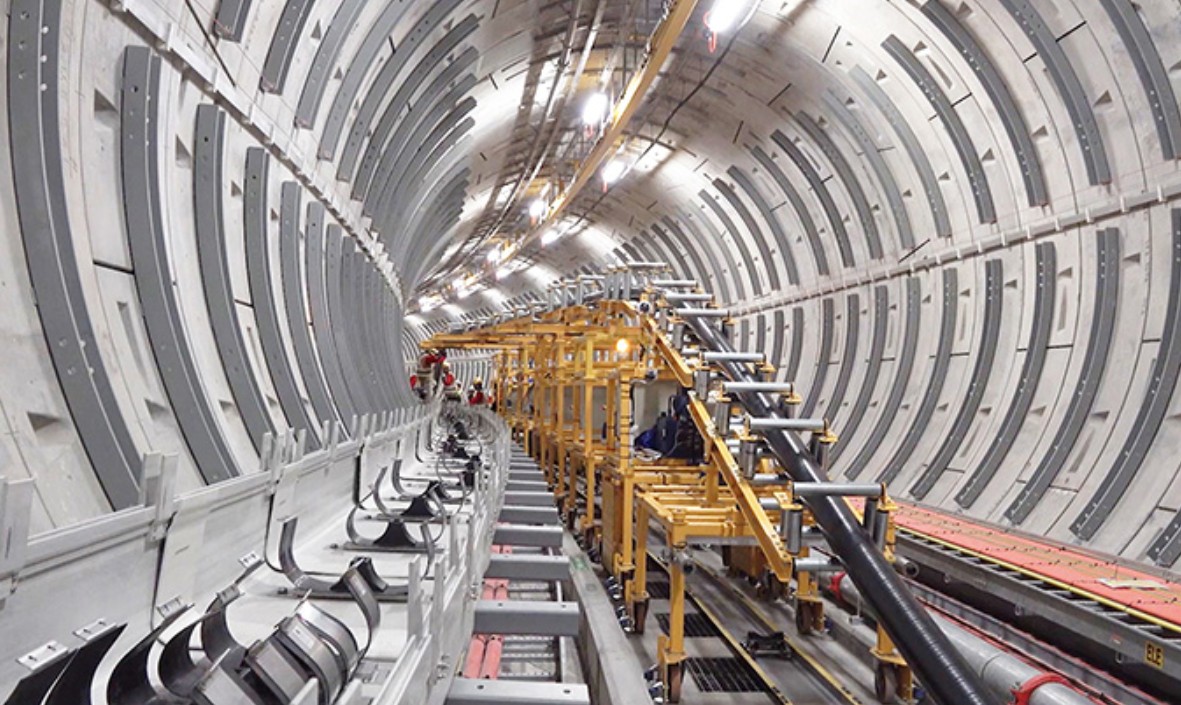
Underground transmission corridors
Renewable interconnection points
Industrial plants
Data center campuses
Campus distribution networks
Generator step-up and collector systems
Cable supply timing directly affects energization schedules. A delayed HV cable shipment can stop a substation build. An incorrectly specified termination can delay commissioning. Improper accessory selection can create partial discharge and early failure.
Procurement, engineering, operations, and asset management all evaluate cable systems differently. Procurement focuses on lead time and compliance documentation. Engineering focuses on insulation class, ampacity, and system compatibility. Operations focuses on reliability and maintainability. Asset managers focus on lifecycle cost and replacement planning.
MV and HV cable supply and sourcing must align with voltage class, insulation type, conductor design, installation method, and termination architecture.
Services:
Industry Context and Real-World Constraints
Supply Chain Realities
Global demand for MV, HV, and EHV cable has increased due to:
Grid modernization programs
Renewable interconnection growth
Data center expansion
Undergrounding initiatives
Industrial electrification
Cable manufacturing capacity is limited. Conductor material constraints, insulation compound production, and long curing cycles extend lead times. EHV cable in particular can carry extended manufacturing windows.
Emergency generator procurement and transformer lead time delays often shift project schedules. When transformer delivery is pushed, cable staging must be adjusted. When switchgear supply shortages occur, cable installation windows compress.
Commissioning Pressure
Cable installation is typically late in the construction sequence. Any delay in delivery affects testing and energization. Field crews cannot terminate what has not arrived. Potheads and splices must match the exact cable construction. Incorrect accessory kits create immediate delays.
Secondary Market Dynamics
Unlike breakers or transformers, secondary market cable is limited by length, storage condition, and reel handling history. Improper storage can compromise insulation. Traceability and documentation become critical.
Urgent replacement programs for failed underground circuits often require rapid identification of compatible cable and accessories. Procurement teams must balance speed and specification alignment.
Technical Breakdown by Subcategory
MV Cable
What it is
Medium voltage cable is typically rated from 5 kV through 35 kV. It commonly uses copper or aluminum conductors with cross-linked polyethylene or ethylene propylene rubber insulation.
Where it is used
Substation feeders
Industrial plant distribution
Campus distribution networks
Data center medium voltage loops
Renewable collector systems
Engineering considerations
Insulation level and BIL alignment
Conductor size and ampacity
Shielding design
Installation method, duct bank, direct burial, tray
Grounding requirements
Specification alignment issues
Conductor material mismatch
Incorrect insulation rating
Shield compatibility with termination kits
Temperature rating inconsistency
Procurement risks
Extended lead times for larger conductor sizes
Incomplete accessory kits
Incorrect reel length planning
Operational failure risks
Water ingress
Improper shield grounding
Poor termination workmanship
Thermal overload from undersized conductors
Replacement challenges
Matching legacy cable types and insulation classes can be difficult in aging infrastructure.
HV Cable
What it is
High voltage cable supports 69 kV through 230 kV systems in underground transmission and subtransmission networks.
Where it is used
Urban underground transmission
River crossings
Industrial high load interconnections
Data center campus tie-ins
Engineering considerations
Dielectric strength
Insulation thickness
Metallic sheath design
Thermal backfill requirements
Induced voltage management
Specification alignment issues
Incorrect sheath bonding method
Insufficient ampacity margin
Incompatible termination design
Procurement risks
Long manufacturing cycles
Specialized transport requirements
Limited production capacity
Operational failure risks
Partial discharge from improper splices
Thermal stress
Moisture intrusion
Replacement challenges
HV cable replacement often requires outage coordination and extensive civil work.
EHV Cable
What it is
Extra high voltage cable supports 230 kV and above underground transmission systems.
Where it is used
Dense urban transmission
Offshore export circuits
Long underground transmission corridors
Engineering considerations
Advanced insulation systems
Thermal modeling
Sheath bonding and grounding
Joint bay spacing
Fault current withstand capability
Specification alignment issues
Termination geometry mismatch
Insufficient surge protection coordination
Incomplete factory test documentation
Procurement risks
Limited global manufacturing capacity
Long lead electrical equipment status
High capital exposure
Operational failure risks
Joint failure under load cycling
Improper installation torque control
Thermal runaway
Replacement challenges
EHV replacement often requires extended outages and complex project coordination.
Accessories
Terminations
Terminations transition cable to air-insulated or gas-insulated equipment. They must match insulation type, voltage class, and environmental conditions. Improper termination selection creates corona and partial discharge.
Splices
Splices join cable segments. They must replicate insulation integrity and shielding continuity. Field workmanship quality directly affects reliability.
Potheads
Potheads are specialized terminations for outdoor HV applications. They manage stress control and environmental exposure. Incorrect stress cone installation leads to premature failure.
Connectors
Connectors join conductors within terminations or splices. Material compatibility and torque specification are critical.
System Integration and Dependencies
Cable systems interact with:
Transformers
Switchgear
GIS equipment
Protective relays
Grounding systems
Surge arresters
Insulation coordination must align with system BIL. Protection settings must reflect cable impedance and length. Cooling and soil thermal properties affect ampacity. Environmental conditions such as moisture, contamination, and seismic factors must be addressed.
Compliance includes adherence to applicable IEEE and IEC standards as specified by the project.
Lifecycle Perspective
Specification
Accurate voltage class, conductor sizing, insulation type, and accessory compatibility must be defined early.
Sourcing
Supply and sourcing of MV and HV cable must account for manufacturing windows and transportation logistics.
Procurement
Documentation must include factory test reports, conductor certifications, insulation testing results, and compliance documentation.
Lead Times
Cable lead times vary by size and voltage class. EHV and specialty constructions carry extended timelines.
Factory Testing
Routine and type tests validate insulation integrity and conductor performance.
Delivery Logistics
Reel handling and storage conditions affect insulation quality.
Installation
Proper pulling tension control, bending radius adherence, and termination workmanship are critical.
Commissioning
Field testing such as VLF or high potential testing verifies installation integrity.
Maintenance
Periodic inspection of terminations and joint bays reduces failure risk.
Replacement and Redeployment
Secondary market cable must be carefully evaluated for age, storage history, and documentation before redeployment.
Procurement Strategy and Risk Mitigation
Forecast cable demand early in project planning
Validate full accessory compatibility
Confirm insulation type alignment
Review factory testing documentation
Assess alternate sourcing paths
Evaluate secondary market opportunities cautiously
Maintain documentation traceability
EPC electrical procurement requires coordination between engineering and purchasing to prevent misalignment between specification and available supply.
Operational Risks and Failure Modes
Common issues include:
Undersized conductors
Improper stress control installation
Shield grounding errors
Moisture ingress
Thermal overload
Incomplete testing prior to energization
Accessory mismatch
Commissioning delays often result from incomplete accessory packages or incorrect termination kits.
Who This Page Is For
Utilities
Transmission operators
Independent power producers
Data center developers
Industrial facilities
EPC contractors
Procurement teams
Asset managers
These stakeholders require specification accuracy, realistic lead time visibility, and lifecycle alignment.
Professional Discussion
Jaylan Solutions
www.jaylansolutions.com
Supports MV and HV cable sourcing, specification alignment, accessory matching, secondary market evaluation, and long lead mitigation planning.
Discussions focus on technical validation, documentation integrity, and supply risk reduction aligned with project energization schedules.
Keywords:
medium voltage cable
high voltage cable
EHV cable
15kV cable
35kV cable
138kV cable
cable terminations
cable splice kit
HV cable accessories
