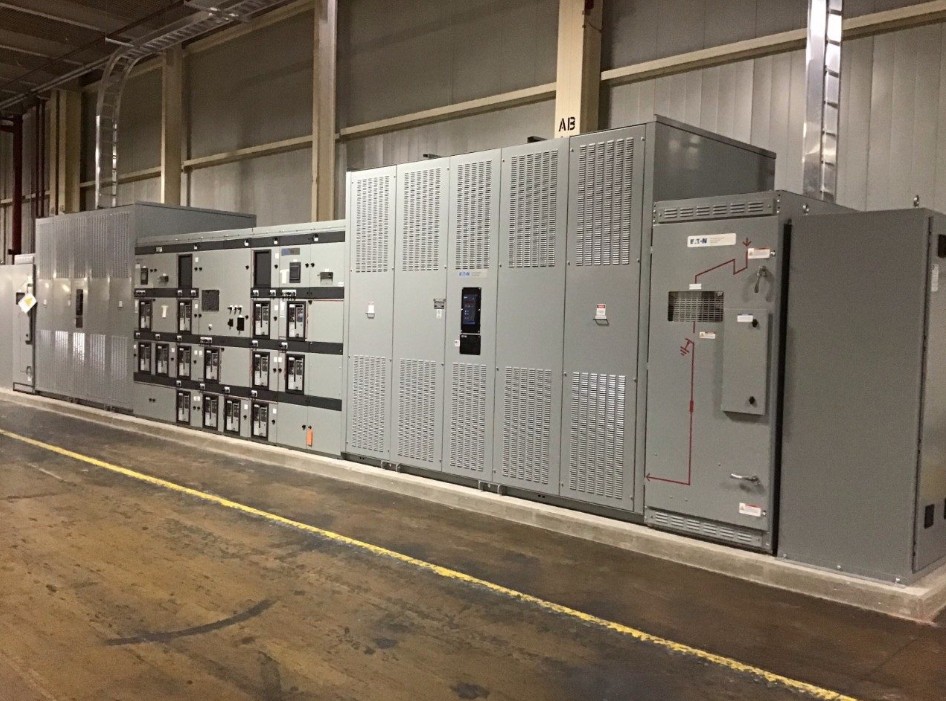
Generator Interconnect & GSU Interface Systems
Generator Interconnect & GSU Interface Systems for Utility, IPP, and Data Center Applications
Executive Overview
Generator interconnect and GSU interface systems form the electrical bridge between the generator terminals and the grid, step-up transformer, or facility distribution system. This category includes interconnect packages, synchronizing panels, paralleling gear, grounding systems, and protection packages that collectively enable safe, stable, and compliant connection of generation assets to transmission or distribution infrastructure.
These systems are used in utility power plants, independent power producer facilities, peaking plants, renewable generation sites, industrial cogeneration facilities, and large data center campuses with on-site generation. They are also central to grid expansion projects, substation upgrades, and emergency replacement programs where generation must be integrated quickly and without risk to upstream transmission assets.
Supply timing matters because generator projects are often schedule-driven by interconnection agreements, EPC milestones, or capacity market commitments. Delays in interconnect packages or protection systems can stall commissioning, delay energization, and trigger contractual penalties. In the current environment of long lead electrical equipment and protection relay shortages, early planning and sourcing alignment are critical.
This page addresses procurement teams, electrical engineers, EPC contractors, operations managers, and asset managers responsible for specification review, sourcing strategy, commissioning, and lifecycle reliability of generator interconnect and GSU interface systems.
Services:
Industry Context and Real-World Constraints
Lead Time and Supply Chain Pressure
Generator interconnect systems are affected by the same market forces driving transformer lead time and switchgear supply shortage conditions across the power industry. Protection relays, instrument transformers, high-voltage breakers, and control panels are subject to extended manufacturing cycles, component shortages, and factory test scheduling bottlenecks.
Interconnect packages that rely on custom-engineered switchgear lineups, protection schemes, and control integration often carry longer lead times than originally assumed in project schedules. Urgent replacement programs following equipment failure or forced outages face additional constraints, as OEM production slots may already be allocated to new build projects.
Commissioning and Interconnection Deadlines
Utilities and transmission operators impose strict interconnection requirements tied to grid stability and protection coordination. Delays in synchronizing panels or protection packages can prevent energization even when the generator and GSU transformer are installed and ready.
Missed commissioning windows can affect:
• Capacity payments
• Power purchase agreement start dates
• Grid compliance deadlines
• Seasonal peak readiness
Grid Modernization and Increased Protection Complexity
As grids modernize, protection schemes become more complex. Directional overcurrent, differential protection, synch-check logic, breaker failure schemes, and communications-assisted tripping are now standard in many interconnect designs.
Data center projects and industrial facilities with on-site generation require seamless transition between grid-parallel and islanded operation. This increases the technical demands on paralleling gear and synchronizing systems.
Secondary Market Dynamics
In urgent scenarios such as generator failure replacement, plant expansion, or temporary capacity bridging, secondary market sourcing of interconnect switchgear, protection panels, or grounding components becomes relevant. However, redeployment requires careful validation of ratings, insulation class, interrupting capacity, relay firmware compatibility, and arc flash coordination.
Technical Breakdown by Subcategory
Interconnect Packages
What They Are
Interconnect packages are engineered assemblies that connect generator output to the GSU transformer or directly to medium or high-voltage switchgear. They often include bus duct, breakers, disconnect switches, metering, instrument transformers, and protection interfaces.
Where Used
• Utility-scale generation plants
• IPP facilities
• Renewable plants with collector substations
• Industrial cogeneration
• Large campus generation systems
Engineering Considerations
• Continuous and short circuit current ratings
• Insulation coordination
• Thermal performance
• Bus configuration and expansion capability
• Seismic requirements
• Protection zone boundaries
Specification Alignment Issues
Mismatch between generator subtransient reactance and breaker interrupting rating is common. Coordination between generator protection and utility interconnect requirements must be reviewed early.
Procurement Risks
• Long breaker manufacturing lead times
• Instrument transformer availability
• Custom enclosure fabrication delays
• Factory acceptance test scheduling constraints
Operational Failure Risks
• Inadequate fault rating margin
• Poor bus joint installation
• Insufficient ventilation leading to overheating
Replacement Challenges
Retrofit into existing powerhouse layouts may require custom bus routing and outage coordination.
Synchronizing Panels
What They Are
Synchronizing panels ensure voltage, frequency, and phase angle alignment before connecting a generator to the grid or bus.
Where Used
• Generator startup sequences
• Black start systems
• Multi-unit plants
• Data center generation systems
Engineering Considerations
• Synch-check relay configuration
• Voltage sensing accuracy
• Integration with governor and AVR systems
• Redundancy for critical facilities
Specification Alignment Issues
Improper voltage transformer ratios or relay logic settings can cause nuisance blocking or unsafe close conditions.
Procurement Risks
• Relay firmware compatibility
• Custom logic programming delays
• Communication protocol integration issues
Operational Failure Risks
• Out-of-phase closing
• Voltage mismatch
• Relay misconfiguration
Replacement Challenges
Retrofit must consider existing control architecture and communication networks.
Paralleling Gear
What It Is
Paralleling gear manages load sharing between multiple generators and grid sources. It includes breakers, controls, metering, and load management logic.
Where Used
• Multi-generator plants
• Campus microgrids
• Data centers
• Industrial backup generation systems
Engineering Considerations
• Load sharing algorithms
• Reverse power protection
• Load shedding strategy
• Islanding logic
Specification Alignment Issues
Generator control systems must be compatible with paralleling logic. Droop settings and excitation controls must be tuned properly.
Procurement Risks
• Custom programming lead times
• Switchgear fabrication delays
• Testing and validation scheduling
Operational Failure Risks
• Load imbalance
• Circulating currents
• Unstable frequency control
Replacement Challenges
Upgrading legacy analog systems to digital controls requires careful integration planning.
Grounding Systems
What They Are
Grounding systems manage fault current return paths and limit transient overvoltages. This includes neutral grounding resistors, grounding transformers, and grounding grids.
Where Used
• Generator neutral grounding
• Substation grounding grids
• High-resistance grounding applications
• Medium voltage generator systems
Engineering Considerations
• Ground fault current magnitude
• Step and touch potential
• Soil resistivity
• Thermal rating of grounding resistors
Specification Alignment Issues
Incorrect resistor sizing can cause excessive fault current or insufficient fault detection sensitivity.
Procurement Risks
• Custom resistor fabrication lead time
• Grid material sourcing
• Site-specific engineering review
Operational Failure Risks
• Resistor overheating
• Corrosion in grounding grids
• Improper bonding
Replacement Challenges
Retrofitting grounding systems often requires plant outage and detailed site testing.
Protection Packages
What They Are
Protection packages include relays, CTs, PTs, wiring, logic schemes, and communication interfaces designed to protect generator and GSU transformer assets.
Where Used
• Generator differential protection
• GSU transformer protection
• Backup overcurrent schemes
• Grid interconnect protection
Engineering Considerations
• Coordination studies
• CT saturation limits
• Relay redundancy
• Communication-assisted schemes
Specification Alignment Issues
Improper relay coordination with utility settings can delay approval or energization.
Procurement Risks
• Protection relay supply constraints
• Firmware version management
• Factory testing queue delays
Operational Failure Risks
• Misoperations
• Nuisance trips
• Inadequate fault clearing
Replacement Challenges
Firmware updates and legacy relay replacement require careful configuration migration.
System Integration and Dependencies
Generator interconnect and GSU interface systems directly interact with:
• GSU transformers and step-up voltage coordination
• Transmission protection systems
• Substation breakers and bus protection
• Control and SCADA systems
• Cooling systems in enclosed switchgear
• Environmental conditions such as humidity and dust
Interoperability between protection packages and plant control systems is critical. Communications protocols must align with utility SCADA requirements. Protection zones must be clearly defined to avoid blind spots or overlapping trip schemes.
Lifecycle Perspective
Specification and Engineering
Early coordination between generator OEM, transformer supplier, protection engineer, and EPC electrical team reduces redesign risk. Clear fault current data and interconnection requirements are mandatory before finalizing equipment ratings.
Sourcing and Procurement
Generator interconnect supply and sourcing decisions must account for equipment lead times power industry conditions. Long lead electrical equipment such as breakers, relays, and custom switchgear can impact project critical path.
Documentation and Testing
Factory acceptance testing validates protection logic, breaker operation, and control integration. Incomplete documentation or missing test reports often delays energization approval.
Delivery and Installation
Shipping damage, improper storage, and environmental exposure can degrade equipment prior to installation. Installation torque requirements, bus alignment, and grounding continuity testing are critical.
Commissioning
Commissioning includes relay setting verification, secondary injection testing, primary current testing, and synchronization validation. Commissioning delays are common when interconnect coordination studies are incomplete.
Maintenance and Replacement
Periodic relay testing, breaker maintenance, grounding inspection, and firmware updates are required. Aging infrastructure and obsolete relay platforms increase failure risk.
Secondary Market Redeployment
In urgent generator procurement or emergency generator procurement scenarios, redeployment of compatible interconnect equipment may provide schedule relief. However, rating validation, documentation review, and coordination updates are mandatory before reuse.
Procurement Strategy and Risk Mitigation
Effective EPC electrical procurement requires:
• Early lead time forecasting
• Validation of interrupting ratings
• Protection coordination review
• Factory production slot confirmation
• Alternate sourcing identification
• Secondary market assessment for urgent needs
• Detailed submittal review and approval tracking
Spec validation before PO issuance reduces rework risk. Clear documentation requirements should be embedded in procurement contracts.
Operational Risks and Failure Modes
Common issues include:
• Undersized breakers relative to generator fault contribution
• Incomplete protection coordination
• Misconfigured synchronizing logic
• Inadequate grounding design
• Communication mismatch between relay platforms
• Commissioning delays due to incomplete test documentation
• Arc flash exposure due to improper equipment selection
Aging plants face increased risk when legacy relay platforms are unsupported or when replacement components are no longer manufactured.
Who This Page Is For
This page is written for:
• Utilities planning generation interconnection
• Transmission operators overseeing grid stability
• Independent power producers executing new build projects
• Data center developers deploying on-site generation
• Industrial facilities expanding cogeneration
• EPC contractors managing electrical scope
• Procurement teams mitigating supply risk
• Asset managers responsible for lifecycle reliability
Professional Call to Action
Generator interconnect and GSU interface systems require alignment between engineering intent and procurement execution. Early validation of ratings, protection schemes, and supply timing reduces risk at commissioning.
Jaylan Solutions
www.jaylansolutions.com
Jaylan Solutions supports generator interconnect supply strategy, specification-aligned sourcing, secondary market evaluation, and long-lead mitigation planning for utility and industrial power projects.
Keywords:
generator interconnect system
GSU interface equipment
generator step up transformer connection
generator interconnection package
power plant interconnect switchgear
generator synchronizing panel
paralleling gear for generators
generator grounding system
neutral grounding resistor for generator
generator protection package
generator differential protection system
GSU transformer protection scheme
power plant protection relay panel
utility generator interconnection requirements
generator breaker lead time
power plant switchgear supply
equipment lead times power industry
long lead electrical equipment
emergency generator procurement
generator protection relay shortage
