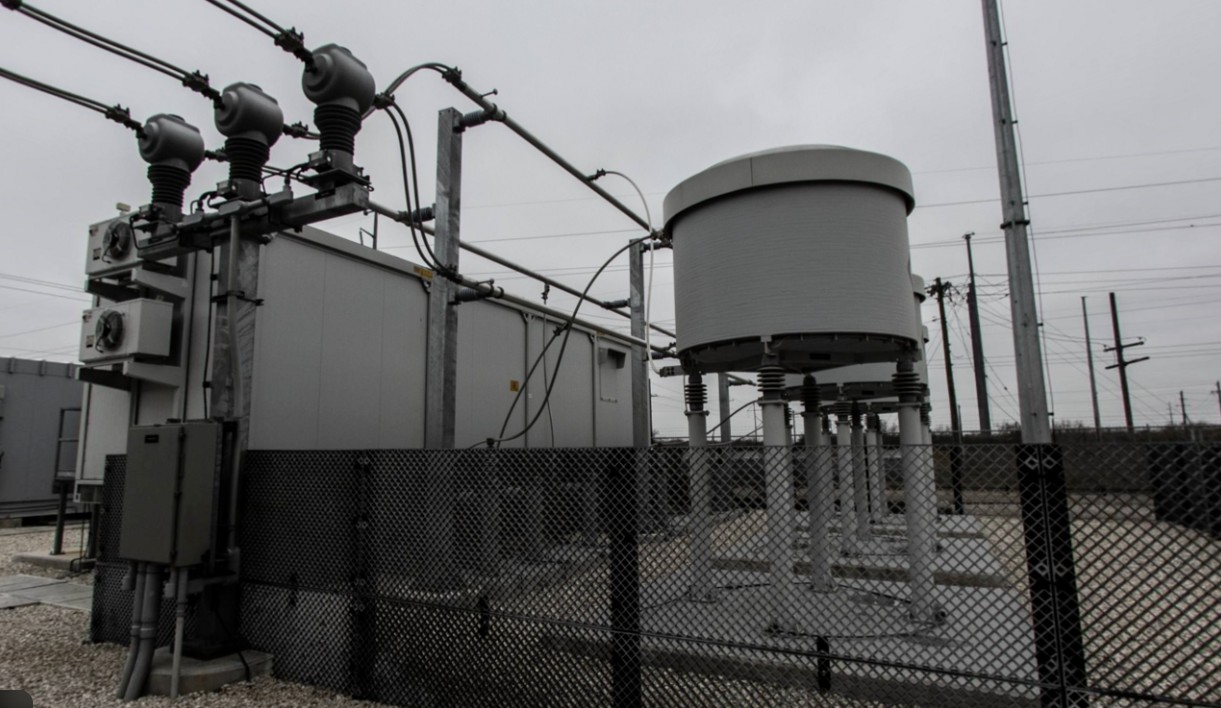
FACTS & Grid Stabilization Systems
FACTS & Grid Stabilization Systems Supply and Sourcing for Transmission Expansion, Renewable Integration, and Urgent Grid Stability Programs
Executive Overview
Flexible AC Transmission Systems and grid stabilization systems are deployed to control voltage, manage reactive power, and stabilize transmission networks under dynamic loading conditions. This category includes STATCOM, SVC, series compensation systems, and associated control systems.
These systems are used where grid reliability margins are tight. Typical applications include high voltage transmission corridors, renewable interconnection points, weak grids, industrial load centers, and congested substations. They are critical in regions with rapid load growth, large inverter-based generation penetration, or long transmission distances.
Supply timing matters because these are long lead electrical systems. Engineering design, harmonic studies, foundation work, control integration, and factory testing extend project schedules. Delays affect energization dates, interconnection approvals, and revenue timelines.
This page is written for procurement teams, transmission engineers, EPC contractors, asset managers, and operations personnel responsible for system reliability and capital planning.
Services:
Industry Context and Real-World Constraints
Grid operators are managing increased renewable penetration, retiring synchronous generation, and rising peak demand. Voltage instability and oscillatory behavior are more common in stressed transmission corridors.
FACTS equipment is often deployed as part of grid modernization programs, renewable integration projects, and capacity upgrades. It is also used to address urgent reliability issues following NERC compliance findings or post-contingency voltage collapse risk assessments.
Lead times are influenced by:
• Power electronic component availability
• High voltage thyristor and IGBT module supply
• Cooling system fabrication
• Control system integration testing
• Site-specific engineering
In many cases, custom design is required to match short circuit levels, harmonic limits, and utility-specific protection schemes.
Secondary market options are limited compared to transformers or switchgear. Most STATCOM and SVC installations are engineered for specific voltage levels and Mvar ratings. However, redeployment and component harvesting can support emergency stabilization scenarios when new build lead times are unacceptable.
Urgency signals in this market typically include:
• Interconnection queue pressure
• Transmission upgrade mandates
• Voltage violation events
• Renewable curtailment losses
• NERC compliance risk
Technical Breakdown by Subcategory
STATCOM
A Static Synchronous Compensator uses voltage source converter technology to inject or absorb reactive power dynamically. It provides fast response voltage regulation and is effective in weak grids with high renewable penetration.
Used in:
• Wind and solar interconnection substations
• Urban transmission nodes
• Long radial transmission systems
• Industrial facilities with large motor loads
Engineering considerations:
• Mvar range and dynamic response time
• Harmonic performance
• Cooling system design
• Control interface with SCADA and EMS
• Fault ride-through capability
Specification alignment issues often involve:
• Incorrect short circuit assumptions
• Insufficient harmonic study coordination
• Control protocol mismatches
• Grid code compliance gaps
Procurement risks include long IGBT module lead times and integration delays between the converter supplier and balance of plant contractor.
Operational failure risks typically relate to cooling system degradation, capacitor aging, control firmware errors, or inadequate redundancy planning.
Replacement challenges are significant because footprint, foundation, and integration constraints limit drop-in replacements.
SVC
Static Var Compensators use thyristor-controlled reactors and capacitor banks to regulate voltage and reactive power.
Common in:
• Bulk transmission substations
• Heavy industrial load centers
• Mining and steel production facilities
Engineering considerations:
• Reactive power rating under contingency
• Harmonic filter design
• Switching transients
• Thermal loading of reactors
Specification alignment risks often involve inadequate filter design for non-linear loads or underestimation of fault levels.
Procurement risks include reactor manufacturing lead times and site-specific filter tuning requirements.
Operational risks include thyristor valve failures, overheating, and harmonic filter degradation.
Replacement projects are complex due to civil works, bus reconfiguration, and outage coordination.
Series Compensation
Series compensation systems reduce effective line impedance to increase power transfer capability. They typically use series capacitors installed within transmission lines.
Used for:
• Increasing transfer capacity on constrained corridors
• Damping power oscillations
• Improving stability margins
Engineering considerations:
• Protection coordination
• Sub-synchronous resonance analysis
• Bypass switch design
• Mechanical stress on line components
Specification errors can create resonance risks or protection miscoordination.
Procurement challenges include custom capacitor bank manufacturing and protection system integration.
Operational failure modes include capacitor unit failure, bypass switch malfunction, or control logic errors during fault events.
Replacement requires outage planning and careful coordination with system operators.
Control Systems
Control systems govern dynamic response, protection coordination, and integration with utility SCADA and energy management systems.
Used in all STATCOM, SVC, and series compensation installations.
Engineering considerations:
• Redundancy
• Cybersecurity compliance
• Communication protocols
• Time synchronization
• Interoperability with protection relays
Specification misalignment can delay commissioning and create interoperability issues.
Procurement risks include software validation delays and factory acceptance test scheduling conflicts.
Operational risks include firmware faults, communication failures, or incorrect parameter settings during grid disturbances.
System Integration and Dependencies
FACTS and stabilization systems interact directly with:
• High voltage bus structures
• Protection relays and breaker control
• SCADA and EMS systems
• Cooling systems
• Harmonic filters
• Grounding systems
They must coordinate with transformer impedance, transmission line characteristics, and generation dispatch patterns.
Environmental factors include temperature, contamination, seismic rating, and altitude derating.
Compliance requirements may include utility technical standards, IEEE performance criteria, and NERC reliability obligations.
Lifecycle Perspective
Lifecycle management begins with power flow studies and stability modeling. Accurate modeling is critical before specification is finalized.
Phases include:
• Feasibility studies
• Specification development
• Vendor selection
• Long lead component procurement
• Factory acceptance testing
• Delivery logistics
• Installation and commissioning
• Performance validation
• Ongoing maintenance
• Control updates
• End-of-life replacement planning
FACTS systems fall within the category of long lead electrical equipment. Equipment lead times in the power industry can exceed 18 to 30 months depending on size and customization.
Documentation requirements include:
• Factory test reports
• Harmonic study validation
• Protection coordination settings
• Control logic documentation
• As-built drawings
Maintenance planning must address cooling systems, capacitor banks, thyristor valves, and software updates.
Secondary market redeployment is limited but may include relocation of capacitor banks or modular control components in specific cases.
Procurement Strategy and Risk Mitigation
Effective procurement requires:
• Early engineering engagement
• Accurate system modeling
• Clear specification language
• Vendor qualification review
• Factory test witness planning
• Schedule buffering
Risk mitigation strategies include:
• Parallel evaluation of alternate suppliers
• Modular design consideration
• Pre-ordering long lead components
• Control system interoperability validation
• Spare parts strategy
In constrained supply environments, early forecasting is critical. Waiting for final interconnection approval before engaging suppliers often results in schedule impact.
Secondary market sourcing may support urgent reactive power needs where modular capacitor banks or reactor components can be redeployed.
Operational Risks and Failure Modes
Common issues observed in the field:
• Inadequate harmonic filter design
• Insufficient redundancy in control systems
• Cooling system neglect
• Incorrect parameter tuning
• Protection miscoordination
• Aging capacitor degradation
Commissioning delays often stem from incomplete integration testing between the FACTS vendor and utility protection teams.
Aging infrastructure risk increases when older SVC systems lack modern digital control upgrades.
Who This Page Is For
This page is written for:
• Utilities
• Transmission operators
• Independent power producers
• Data center developers
• Industrial facilities
• EPC contractors
• Procurement teams
• Asset managers
These stakeholders require technical clarity, realistic lead time expectations, and lifecycle risk awareness.
Professional Call to Action
FACTS and grid stabilization systems require specification alignment, supply timing awareness, and integration planning.
Jaylan Solutions
www.jaylansolutions.com
serves as a supply partner, specification-aligned sourcing advisor, secondary market strategist, and long-lead mitigation resource for transmission and grid stabilization programs.
Keywords:
FACTS systems
grid stabilization systems
STATCOM system
static synchronous compensator
SVC system
static var compensator
series compensation transmission
series capacitor bank
transmission voltage control equipment
reactive power compensation systems
dynamic voltage support
transmission grid stability solutions
STATCOM for renewable integration
SVC for transmission substations
high voltage reactive power compensation
grid modernization voltage control
FACTS equipment suppliers
STATCOM lead time
SVC project procurement
series compensation installation
