Bus Systems
Bus Systems for Power Generation and Transmission Infrastructure
Executive Overview
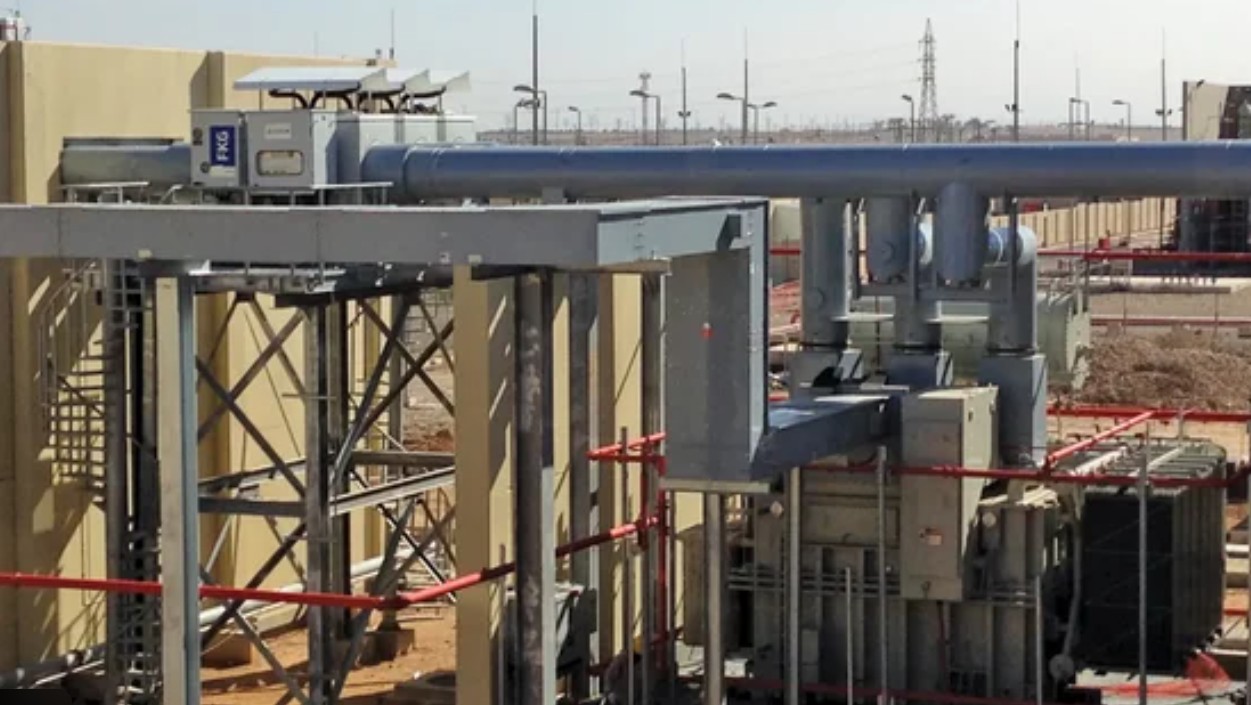
Bus systems are high-current power distribution assemblies used to transfer large electrical loads between generators, transformers, switchgear, and grid interconnections. In utility plants, combined cycle facilities, substations, and large industrial installations, bus systems carry the full output of generation assets and tie major equipment together.
They are typically installed between generator terminals and step-up transformers, between transformers and switchgear lineups, and within large substations where high current density and space constraints make cable impractical. In generation facilities, the generator bus is a critical path component. In substations and industrial plants, bus configuration affects reliability, maintenance access, and fault containment.
Supply timing matters because bus systems are engineered assemblies. They are dimension-specific, current-rated, and project-integrated. They must align with generator terminal geometry, transformer bushing locations, fault duty levels, and environmental conditions. Lead times can impact energization schedules and commercial operation dates. When grid expansion, data center builds, or plant uprates compress project timelines, bus system sourcing becomes a schedule driver.
This page is written for procurement teams, engineers, operations leaders, asset managers, and EPC contractors responsible for specifying, sourcing, installing, and maintaining high-current bus systems in mission-critical power environments.
Services:
Industry Context and Real-World Constraints
Bus systems operate in an environment shaped by long lead electrical equipment cycles, generator procurement schedules, transformer lead time realities, and switchgear supply constraints. In utility and independent power producer projects, the generator step-up transformer and the isolated phase bus are often on the critical path.
Current industry pressures include:
• Extended fabrication lead times for custom high-current bus
• Material availability constraints for copper and aluminum conductors
• Insulation system manufacturing bottlenecks
• Generator and transformer OEM interface alignment issues
• Grid modernization and interconnection backlogs
• Data center driven demand for high-capacity substations
For urgent replacement programs following failures or forced outages, bus systems become an emergency procurement item. Unlike standard switchgear sections, these assemblies are often site-specific. Secondary market sourcing and redeployment strategies may be considered, but dimensional and electrical compatibility must be carefully validated.
Commissioning pressure increases risk. Bus systems must pass insulation resistance testing, high potential testing where specified, and mechanical alignment inspection before energization. Any misalignment at the generator or transformer interface can delay startup.
Technical Breakdown by Subcategory
Isolated Phase Bus
What it is
Isolated phase bus consists of a single conductor per phase, each enclosed in its own grounded metal housing. Phases are physically separated to reduce phase-to-phase faults and minimize magnetic interaction.
Where it is used
Commonly installed between large turbine generators and generator step-up transformers in utility-scale plants.
Engineering considerations
• Continuous current rating aligned with generator output
• Short-circuit withstand rating based on system fault duty
• Thermal expansion management
• Induced current mitigation in enclosure
• Grounding design and bonding continuity
Specification alignment issues
Generator terminal spacing, transformer bushing geometry, and structural support elevations must match bus layout drawings. Misalignment leads to field modification risk.
Procurement risks
Custom fabrication based on project drawings increases equipment lead times in the power industry. Changes late in the engineering cycle affect manufacturing schedules.
Operational failure risks
• Insulation degradation
• Moisture ingress
• Enclosure heating due to circulating currents
• Joint loosening under thermal cycling
Replacement challenges
Retrofit requires dimensional survey and outage coordination. Temporary bus installation during emergency generator procurement scenarios is complex.
Segregated Phase Bus
What it is
Segregated phase bus contains all three phase conductors within a common enclosure, separated by grounded metal barriers.
Where it is used
Applied in medium to high current applications where full isolation is not required but phase separation is beneficial.
Engineering considerations
• Phase barrier design
• Ventilation and cooling
• Fault containment
• Access panel sealing
Specification alignment issues
Fault duty ratings must reflect upstream breaker and transformer impedance values.
Procurement risks
Lead time may be shorter than isolated phase bus, but project-specific geometry still affects delivery.
Operational failure risks
• Barrier degradation
• Localized overheating
• Contamination inside enclosure
Replacement challenges
Limited access space in existing plants complicates removal and reinstallation.
Non-Segregated Phase Bus
What it is
All three phase conductors share a common enclosure without internal barriers.
Where it is used
Lower current distribution within plants and substations.
Engineering considerations
• Phase spacing
• Thermal rise limits
• Ventilation
• Short-circuit bracing
Specification alignment issues
Insulation level must match system voltage class.
Procurement risks
Less complex but still sensitive to dimensional accuracy and mounting interface.
Operational failure risks
• Phase-to-phase fault potential
• Insulation aging
• Support insulator cracking
Replacement challenges
Field routing around existing structural steel and cable trays can be restrictive.
Generator Bus
What it is
A general term referring to the bus connection between generator terminals and downstream equipment. Often implemented as isolated phase bus.
Where it is used
Directly at turbine generator output in fossil, nuclear, hydro, and large renewable facilities.
Engineering considerations
• Full load current at generator rating
• Transient fault duty
• Vibration from turbine operation
• Differential protection coordination
Specification alignment issues
Protection system integration must align with generator differential and ground fault schemes.
Procurement risks
Any delay in generator bus supply can delay commissioning. Coordination with generator OEM drawings is critical.
Operational failure risks
• Thermal cycling stress
• Insulation partial discharge
• Grounding discontinuity
Replacement challenges
Requires planned outage. Emergency replacement is logistically complex.
Components
Expansion Joints
Designed to accommodate thermal growth and structural movement. Poorly designed joints lead to mechanical stress and joint heating. Inspection during maintenance outages is critical.
Tap Boxes
Provide connection points to auxiliary systems or metering. Must maintain insulation integrity and fault containment. Incorrect torque or sealing leads to hot spots.
Cooling Systems
Forced air or air-to-water systems manage conductor temperature. Cooling failure reduces ampacity and accelerates insulation aging. Monitoring airflow and temperature is part of reliability planning.
System Integration and Dependencies
Bus systems interface directly with:
• Generators
• Generator step-up transformers
• Switchgear lineups
• Protection relays and differential schemes
• Grounding grids
• Structural steel and seismic bracing systems
They must align with:
• Protection system settings
• Control system interlocks
• Environmental exposure conditions
• Seismic and wind loading requirements
• Arc fault containment strategies
Improper integration leads to protection miscoordination, nuisance trips, or failure to isolate faults.
Lifecycle Perspective
Specification
Defines voltage class, continuous current rating, BIL level, short-circuit rating, enclosure type, cooling method, and environmental sealing.
Sourcing
Includes factory capacity review and fabrication slot confirmation. Equipment lead times in the power industry must be validated early.
Procurement
Drawing review cycles, interface approvals, and factory test plan alignment are critical.
Documentation
Requires certified drawings, material certifications, and factory test reports.
Factory Testing
Insulation resistance, dimensional verification, and enclosure continuity checks.
Delivery Logistics
Large sections may ship in multiple pieces requiring site assembly planning.
Installation
Alignment at generator and transformer interfaces must be precise.
Commissioning
Includes insulation testing, joint inspection, grounding verification, and protection scheme validation.
Maintenance
Periodic inspection for joint heating, insulation degradation, and enclosure corrosion.
Replacement and Redeployment
Secondary market sourcing is possible in limited scenarios. Dimensional compatibility and electrical rating must match system requirements.
Procurement Strategy and Risk Mitigation
Effective strategy includes:
• Early lead time forecasting
• Coordination with generator and transformer suppliers
• Verification of fault duty ratings
• Detailed interface drawings
• Alternate sourcing evaluation
• Secondary market assessment for urgent needs
• Inspection of stored bus assemblies before redeployment
EPC electrical procurement teams must treat bus systems as high-impact schedule items, similar to transformer lead time and switchgear supply shortage constraints.
Operational Risks and Failure Modes
Common issues include:
• Undersized current rating during plant uprates
• Loose bolted joints causing overheating
• Moisture intrusion leading to insulation breakdown
• Improper grounding continuity
• Inadequate cooling airflow
• Misalignment during installation
Aging infrastructure increases insulation degradation risk and enclosure corrosion.
Who This Page Is For
This page supports:
• Utilities
• Transmission operators
• Independent power producers
• Data center developers
• Industrial facilities
• EPC contractors
• Procurement teams
• Asset managers
Professional Discussion
Jaylan Solutions
www.jaylansolutions.com
Jaylan Solutions works with utilities, EPC contractors, and industrial operators as a supply partner, specification-aligned sourcing advisor, secondary market strategist, and long-lead mitigation resource for bus systems and related high-current infrastructure.
Keywords:
bus systems power generation
isolated phase bus
segregated phase bus
non segregated phase bus
generator bus system
generator bus duct
high current bus system
bus duct for power plant
generator step up transformer bus
bus system lead time
bus duct replacement
power plant bus duct
substation bus system
bus duct manufacturers
custom bus systems
bus system installation
bus duct cooling system
expansion joints bus duct
tap box bus system
long lead electrical equipment
